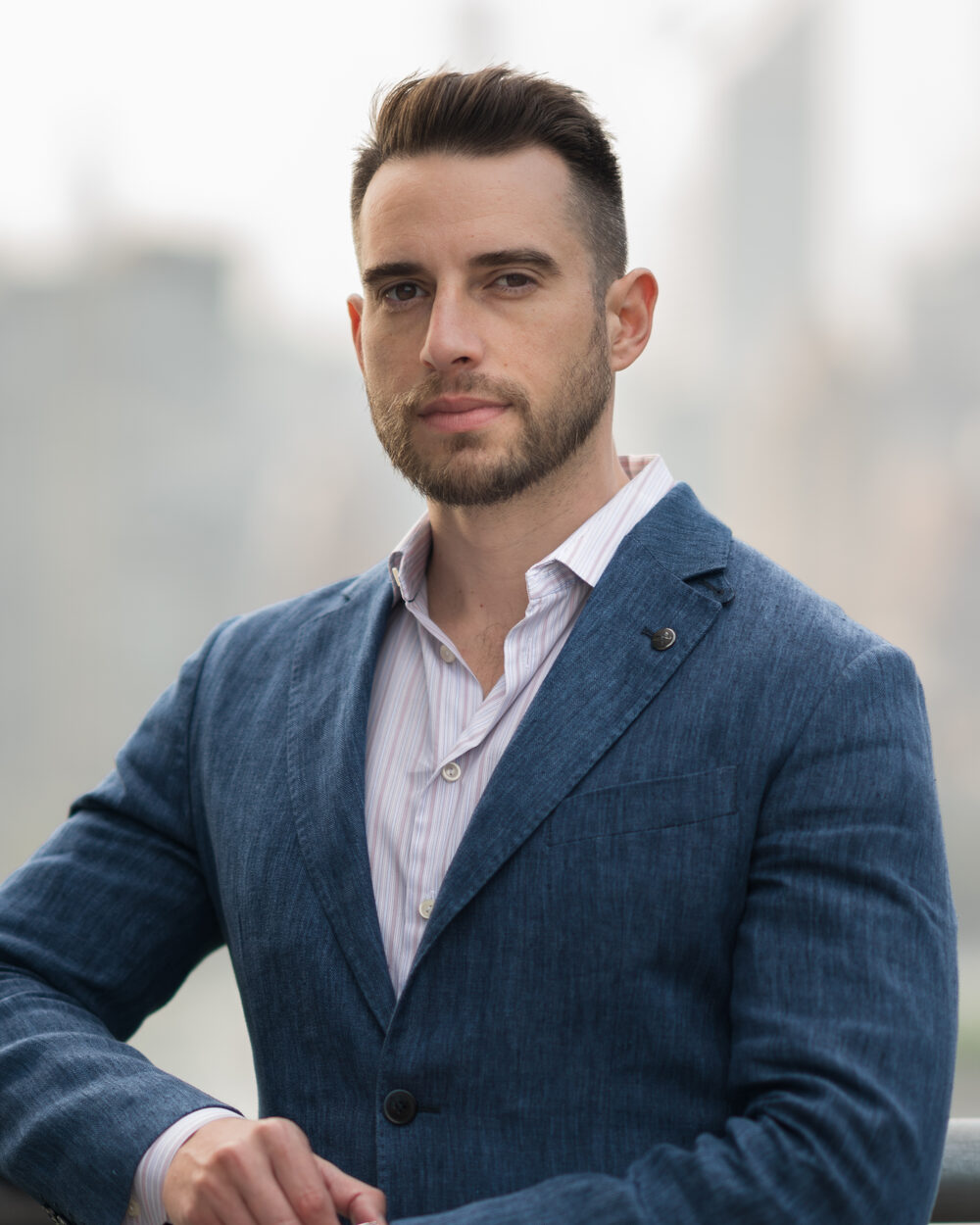
I'm Mike Hansen, MD — an ICU intensivist who teaches 1.1M+ on YouTube as Dr. Mike Hansen. Operation ADH is clinical reasoning reps for clinicians who want to use AI without surrendering judgment. Commit first, compare second, teach back.
Founding access. Be first in when seats open — no spam, unsubscribe anytime.
Designed at the bedside by a practicing intensivist, not a content mill.
You lock your answer before any explanation opens. The reasoning stays yours.
After you commit, you get cited reasoning to compare against your own.
This is an actual Operation ADH case. Read it, lock your answer, and the cited reasoning unlocks — exactly like the product. The explanation stays sealed until you commit.
Press play — Jon reads the vignette and the answer choices, highlighting each word as he speaks.
A 70-year-old female presents with several days of poor appetite, fatigue, and mild confusion. History: osteoarthritis treated with daily over-the-counter acetaminophen for months; she has been eating very little lately; mild chronic kidney disease.
Vitals: afebrile, hemodynamically stable, mild tachypnea.
What is the single most likely cause of this high anion gap metabolic acidosis?
Jon walks the reasoning below — each word highlights as he says it.
The Plant (the routine detail that is the answer): chronic daily therapeutic acetaminophen + poor nutrition + female + mild CKD. That cluster — not an overdose — is the classic acquired 5-oxoproline picture. The sub-toxic acetaminophen level (18 mcg/mL) is the tell people dismiss.
A — D-lactic acidosis: the seductive one. A normal lactate doesn't exclude it, because the standard lactate assay reads only L-lactate — D-lactate is invisible to it. But D-lactic acidosis needs a substrate-delivery setting (short bowel / malabsorption / bacterial overgrowth), and there is no such gut history here. Excluded on history, not on the lactate number.
B — Methanol / C — Ethylene glycol: toxic alcohols. Here the osmolar gap is normal and screens are negative. Caveat (teach it): in late toxic-alcohol presentations the parent alcohol may already be metabolized to acids, so the osmolar gap can normalize — a normal osmolar gap does not by itself fully exclude a late toxic-alcohol ingestion. The clinical picture (chronic APAP, malnourished woman, CKD), not the osmolar gap alone, points away from these.
Educational content only. Not medical advice. Clinician verification required. No PHI. Synthetic, de-identified vignette.
As Dr. Mike Hansen, I've spent years teaching clinical medicine to over a million people — board-certified in pulmonary & critical care. Operation ADH turns that teaching into reps that keep clinicians sharp. See how I teach:
Visit my channel →
The worry I hear from clinicians isn't that AI is wrong. It's that leaning on it quietly makes us duller. So I built the opposite tool — one that keeps you the clinician who still thinks.
In the ICU, the cost of a missed pattern is real — and when AI hands you the answer before you've reasoned, the rep never happens. Operation ADH flips the order: you read the case and commit first, then the cited reasoning opens. You still get AI's speed; you just earn the thinking first.
In critical care, the cost of a missed pattern is real. A growing body of research keeps pointing to one theme: how you use AI shapes whether it sharpens your judgment — or quietly erodes it. Operation ADH is built on the Cognitive Autonomy Framework — active recall, case-based reasoning, spaced repetition, teach-back.
Lean on it, and the skill can fade. Endoscopists detected fewer pre-cancers when working without AI after routine AI-assisted use — adenoma detection fell 28.4% → 22.4%.
View studyAnswers-first backfires. When the answer-first AI was taken away, learners scored 17% worse than peers who never used it — while a version built to make them reason first protected the learning.
View studyThe worry is mainstream. Two-thirds of students say using AI for schoolwork is hurting their own critical thinking — up from 54% earlier in 2025.
View reportExternal educational research on how people learn — not a claim about Operation ADH's results or any individual outcome.
Get access to Operation ADH and put your judgment first — commit first, compare second, teach back.
Free. Email only — no spam, unsubscribe anytime.
Mike Hansen, MDCritical care intensivist · Founder